Asphalt Sealcoating in Denver, CO
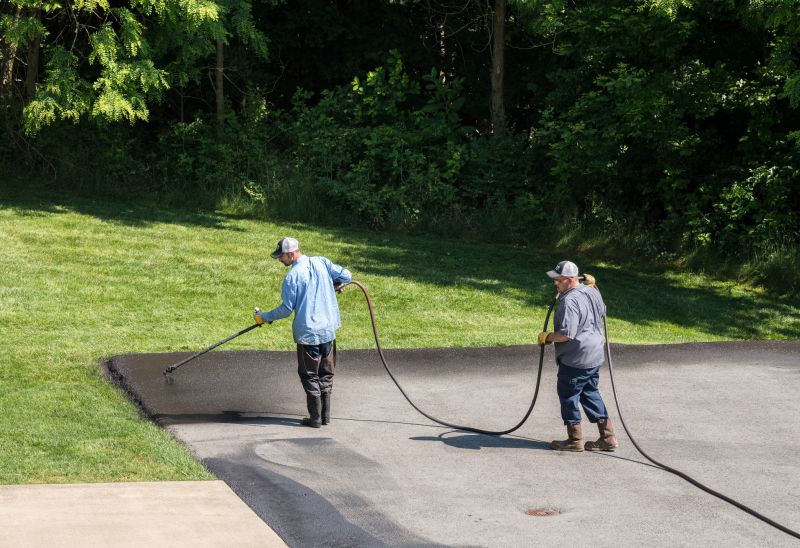
Asphalt sealcoating is a protective treatment designed to extend the life and appearance of asphalt surfaces such as driveways, parking lots, and pathways. This service involves applying a thin, protective layer of liquid asphalt emulsion over the existing asphalt, which helps to prevent damage from water, UV rays, and general wear and tear. Homeowners often request sealcoating to maintain a smooth, attractive surface and to reduce the need for costly repairs or resurfacing in the future.
Property owners typically want to understand the condition of their asphalt before scheduling sealcoating, including whether there are existing cracks or damage that should be addressed beforehand. It’s also useful to consider the timing and frequency of sealcoating, as regular maintenance can help preserve the surface’s integrity. Proper preparation, such as cleaning the area thoroughly, is essential for achieving the best results and ensuring the longevity of the sealcoat.
Many property owners in Denver, CO look into Asphalt Sealcoating for repairs, replacements, upgrades, and appearance-related improvements.
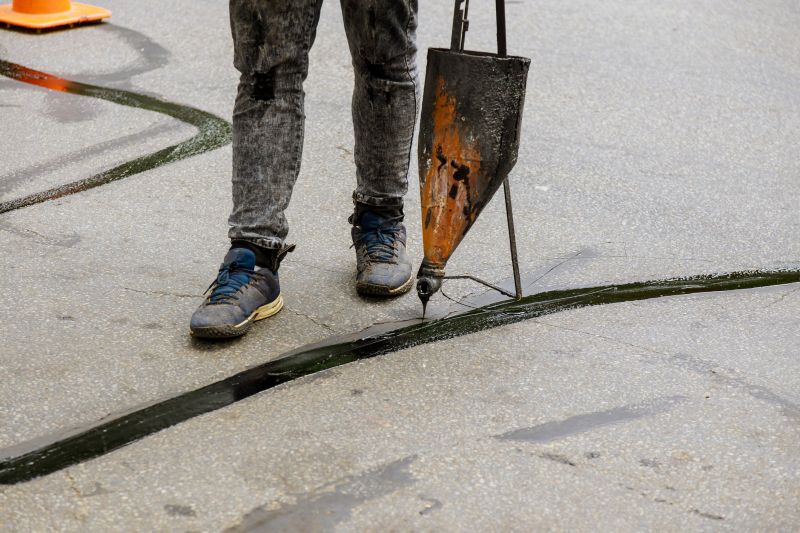
Protecting Asphalt Surfaces
Sealcoating helps shield driveways and parking lots from water damage and uv rays.
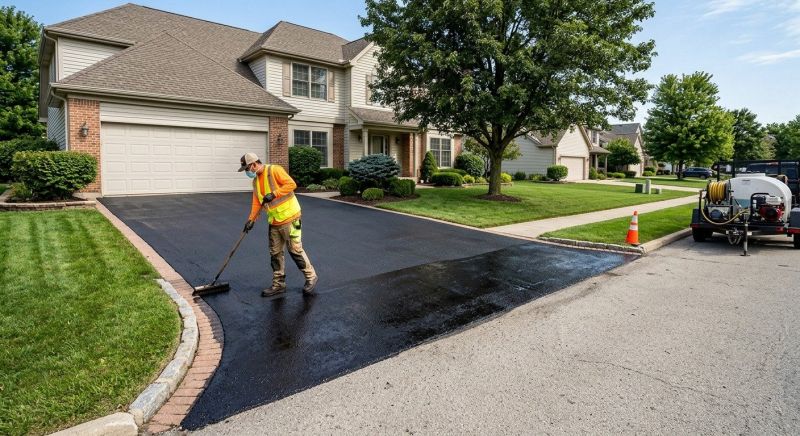
Enhancing Curb Appeal
A fresh sealcoat can improve the appearance of asphalt surfaces in residential and commercial properties.
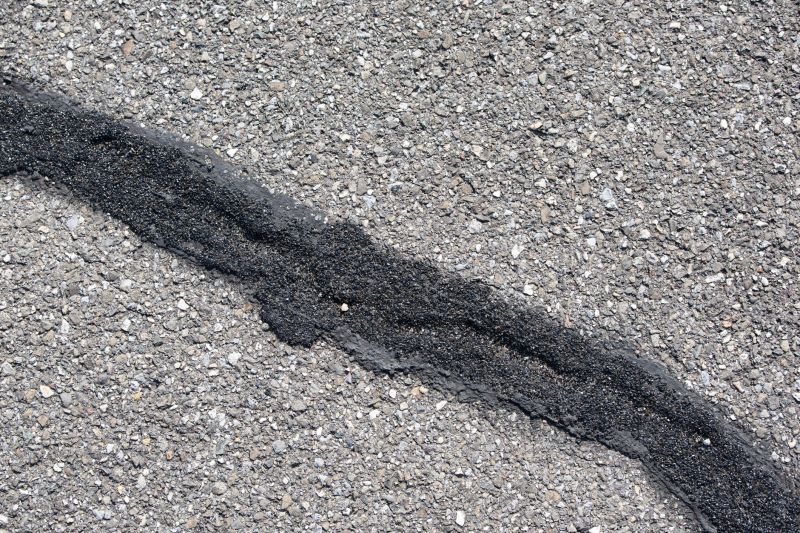
Extending Pavement Lifespan
Regular sealcoating can reduce cracking and potholes, keeping asphalt surfaces durable over time in denver, co.
Asphalt Sealcoating in Denver, CO

Asphalt sealcoating is a protective treatment designed to extend the life and appearance of asphalt surfaces such as driveways, parking lots, and pathways. This service involves applying a thin, protective layer of liquid asphalt emulsion over the existing asphalt, which helps to prevent damage from water, UV rays, and general wear and tear. Homeowners often request sealcoating to maintain a smooth, attractive surface and to reduce the need for costly repairs or resurfacing in the future.
Property owners typically want to understand the condition of their asphalt before scheduling sealcoating, including whether there are existing cracks or damage that should be addressed beforehand. It’s also useful to consider the timing and frequency of sealcoating, as regular maintenance can help preserve the surface’s integrity. Proper preparation, such as cleaning the area thoroughly, is essential for achieving the best results and ensuring the longevity of the sealcoat.
Many property owners in Denver, CO look into Asphalt Sealcoating for repairs, replacements, upgrades, and appearance-related improvements.
Common Asphalt Sealcoating Jobs
Driveway Sealcoating - protects asphalt surfaces from weather damage and extends their lifespan.
Parking Lot Sealcoating - provides a uniform, professional appearance for commercial properties.
Residential Asphalt Sealing - enhances curb appeal and shields driveways from cracking and deterioration.
Crack Filling and Sealing - prevents water infiltration and further asphalt damage.
New Asphalt Sealcoating - applied after installation to maximize durability and appearance.
Rejuvenation Sealcoating - restores faded or worn asphalt surfaces for a fresh, finished look.
Asphalt Sealcoating Questions
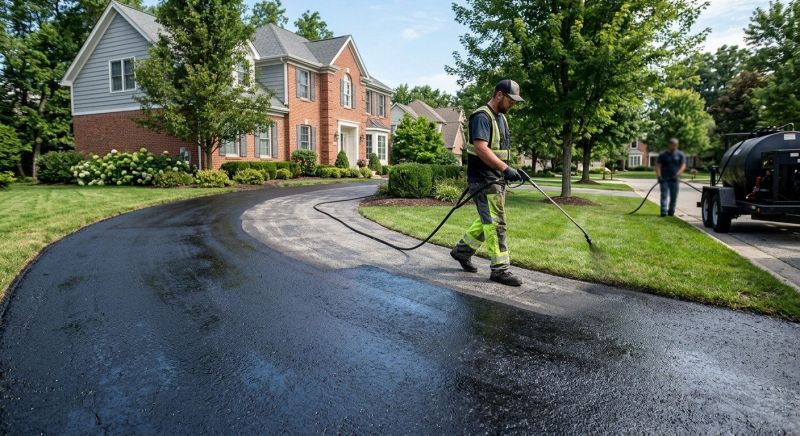
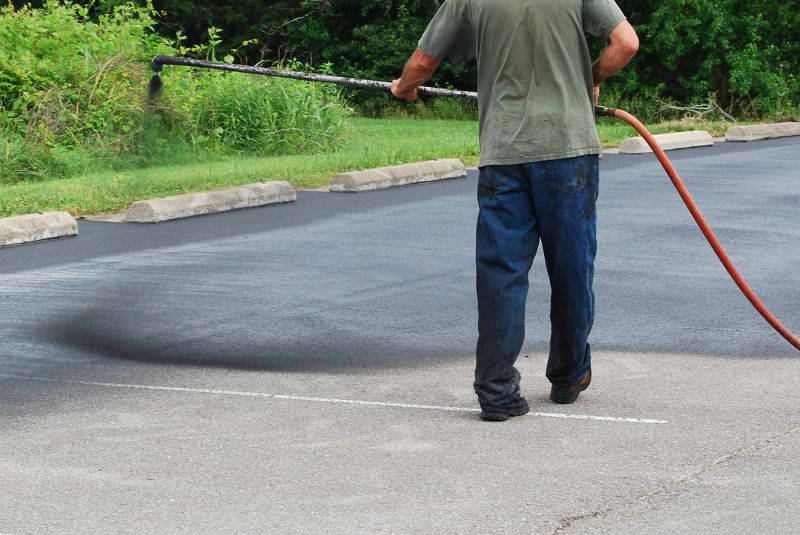
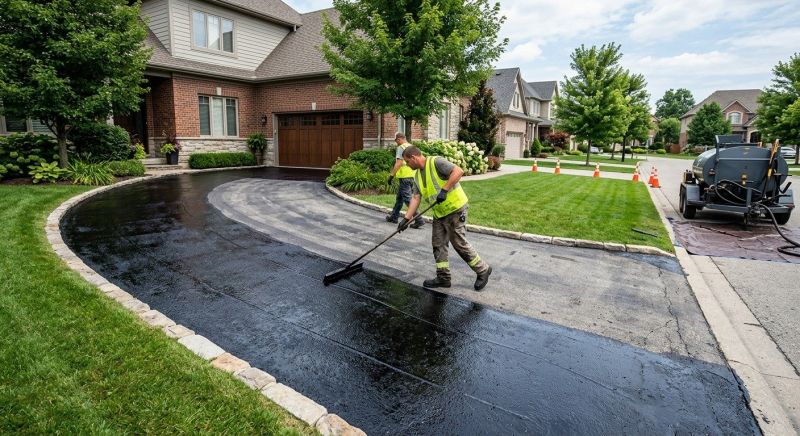
What is asphalt sealcoating? Asphalt sealcoating is a protective layer applied to pavement surfaces to help prevent damage from weather, UV rays, and vehicle traffic.
What types of projects benefit from sealcoating? Driveways, parking lots, and pathways are common projects that benefit from sealcoating to extend pavement life and improve appearance.
How often should asphalt be sealcoated? Typically, asphalt surfaces should be sealcoated every 2 to 3 years to maintain protection and appearance.
What should property owners consider before sealcoating? It’s important to ensure the surface is clean, dry, and free of cracks before applying a sealcoat for the best results.
Request Asphalt Sealcoating in Denver, CO
Use the quote form on this page to share the basics of your project and request more information for the type of work you need.